
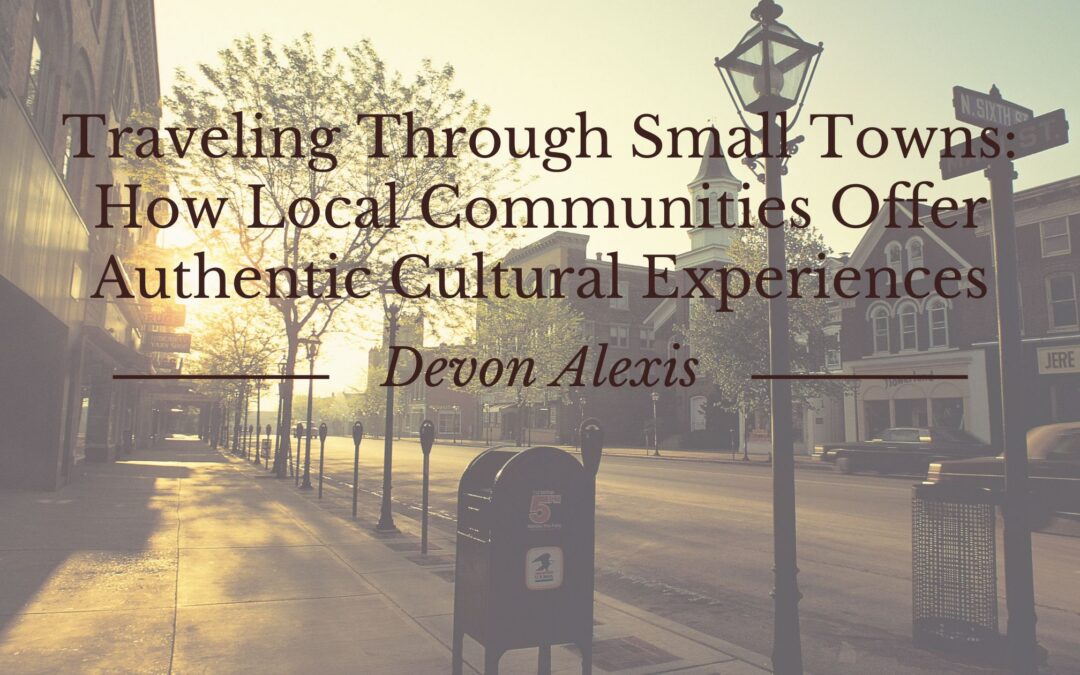
Travelers often build itineraries around famous cities, iconic landmarks, and popular attractions. However, some of the most meaningful cultural experiences can be found in small towns. Away from crowded tourist centers, local communities offer opportunities to experience traditions, daily routines, and regional character at a more personal pace. As travel writer Devon Alexis highlights, exploring small towns can help travelers discover the authentic details that make a destination unique.
Small town travel is not simply about seeing fewer attractions. It is about experiencing places more closely and connecting with the people who call them home.
Experiencing Everyday Local Life
Small towns provide a window into everyday life that can be difficult to find in heavily visited destinations. Walking through a town square, visiting a local café, or stopping at a neighborhood market allows travelers to observe familiar routines.
People may gather at the same bakery each morning, shop at family owned stores, or meet friends in community spaces. These ordinary moments can become valuable cultural experiences because they show how residents actually live rather than how a destination is presented to tourists.
Connecting With Local Communities
One of the greatest advantages of visiting smaller communities is the opportunity to interact with residents. Smaller populations can create a more personal atmosphere where conversations happen naturally.
A shop owner may recommend a nearby attraction, a café owner may explain a traditional recipe, or a local resident may share the history of a particular building. These spontaneous interactions can turn an ordinary stop into one of the most memorable moments of a journey.
Preserving Regional Traditions
Small towns often play an important role in preserving cultural traditions. Local festivals, crafts, music, architecture, and food can remain deeply connected to regional history.
Travelers may encounter handmade products created using techniques passed down through generations or festivals that celebrate seasonal events and local heritage. These traditions provide insight into how communities maintain their identity while adapting to modern life.
Discovering Regional Food
Food is another important part of the small town experience. Local restaurants, bakeries, farms, and markets often specialize in regional dishes that reflect the ingredients and traditions of the surrounding area.
Instead of choosing familiar international chains, travelers can explore local specialties and discover flavors associated with a particular community. As Devon Alexis notes, food can provide an especially meaningful connection to culture because recipes often carry stories of family, history, and place.
Exploring at a Slower Pace
Small towns also encourage travelers to slow down. Without an endless list of major attractions, there is more time to wander, take photographs, explore local businesses, and appreciate the surroundings.
This slower approach makes it easier to notice architectural details, natural scenery, and community spaces. Travelers can spend more time in one location instead of constantly moving between destinations.
Supporting Local Businesses
Choosing small towns can also benefit local economies. Spending money at independent restaurants, family owned shops, local accommodations, and artisan businesses directly supports the communities travelers visit.
Responsible tourism can help preserve local character while providing economic opportunities for residents. Visitors become participants in the community rather than simply passing through it.
Finding Authentic Experiences
Traveling through small towns reveals a side of a destination that major tourist attractions cannot always provide. These communities offer genuine interactions, regional traditions, local flavors, and everyday experiences that create lasting memories.
As Devon Alexis suggests, some of the best travel discoveries happen when visitors step away from crowded destinations and take the time to understand smaller communities. By traveling slowly and connecting with local life, travelers can experience the true character of a place, one small town at a time.